The Gap: why solving the wrong problem costs more than bad design
Before you can close a gap, you have to name it correctly. Our Gapenomics framework exists because organisations routinely invest in training solutions for problems that aren't actually training problems.
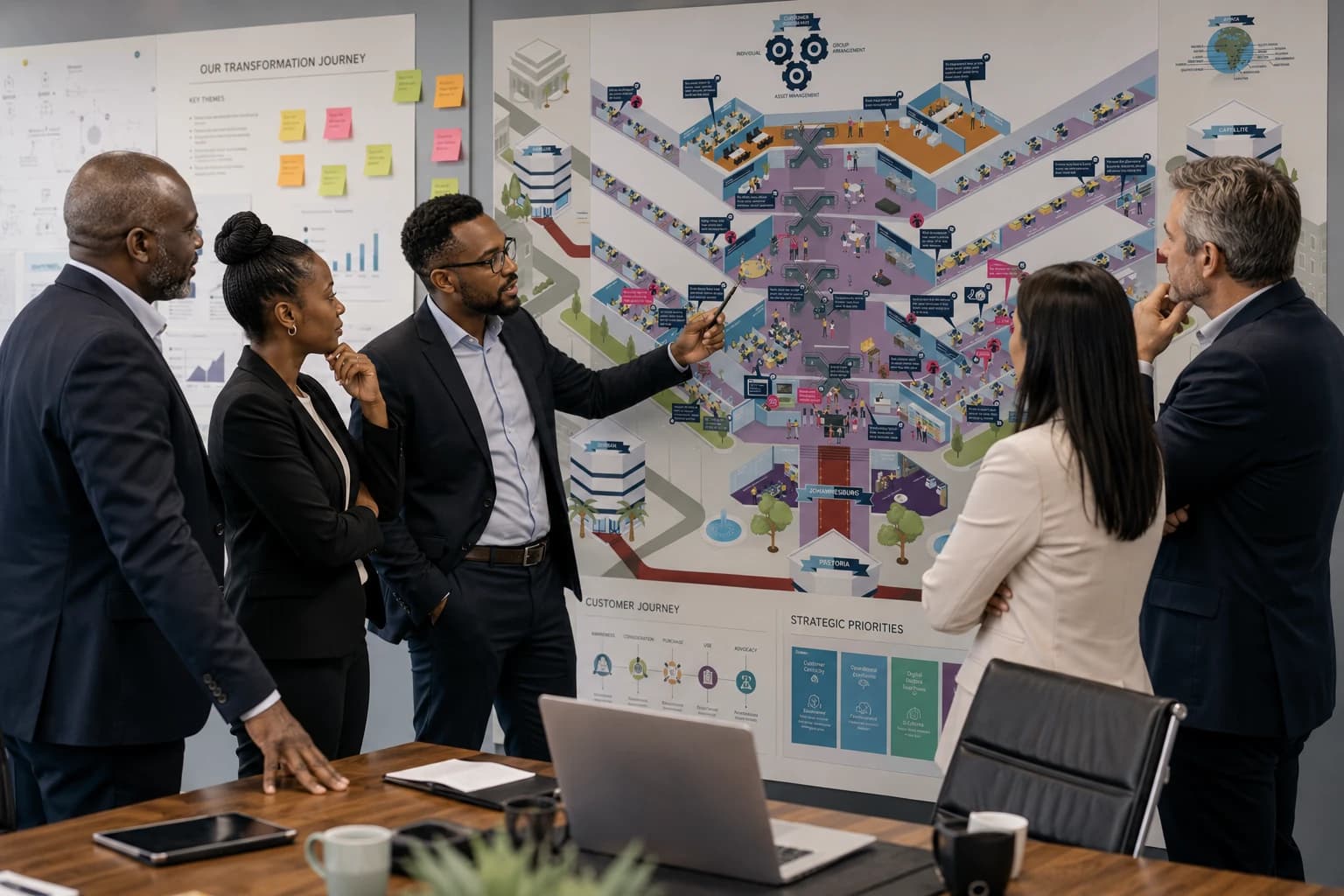
Every year, organisations spend enormous budgets solving problems that were never actually training problems. A sales team underperforms and gets a new product-knowledge course. A safety incident happens and everyone repeats the same compliance module. The training gets delivered, the completion rate looks good, and the underlying problem is still there six months later — because it was never a knowledge gap in the first place.
Why 'the gap' matters more than the solution
Our Gapenomics framework starts from a simple but frequently skipped question: what, precisely, is the gap between current and required performance, and is it actually caused by people not knowing something? Skill and knowledge gaps respond to good learning design. Gaps caused by unclear expectations, broken processes, misaligned incentives, or missing tools do not — no matter how well the training is built.
Naming the gap correctly is therefore not a preliminary step before the "real" work of designing a solution. It is the most consequential decision in the entire project, because it determines whether everything that follows has any chance of working.
The cost of getting it wrong
A wrong diagnosis is expensive twice over. First, there's the direct cost of designing, building, and delivering a training intervention that never had a chance of closing the real gap. Second, and more damaging, there's the credibility cost: the business unit tries the "solution", sees no change, and concludes that training doesn't work — making it harder to get support for the intervention that would have actually helped.
How we diagnose before we design
Before any solution is proposed, we work with stakeholders to separate what looks like a training problem from what is actually a training problem — interrogating process, incentive, and environmental factors alongside skill and knowledge. It's a deliberately unglamorous step, and it's the one that makes everything after it worth doing.
Found a gap we could help close?
Every meaningful learning solution starts with a conversation.
Start a conversation